
Agentic AI: What I Learned Over the weekend
A few weeks ago, I started dabbling in “vibe coding” and managed to build my very first work application. It was an incredible thrill, but it also opened my eyes to how much more there is to learn about structuring these systems. To take things to the next level, I spent this past weekend diving into Google’s Agentic AI course.
Google did a phenomenal job breaking down the architecture. If you’re looking to build, they basically offer two main playgrounds: Google AI Studio (an awesome, accessible starting point with a free tier) and Vertex AI Studio (the heavy-duty, enterprise-grade environment).
Here is a quick breakdown of my biggest takeaways and why agentic workflows completely change the game.

The Anatomy of an AI Agent
When I usually interact with a Gemini/ GPT, I am essentially just talking to a standalone “brain.” Agentic AI takes this a massive step further.
The architecture (from Google) consists of three components working together: the model (the thinking), the tools (the doing), and the orchestration (the process).
The Orchestration: This sits at the center, connecting the model’s intelligence with the tools’ real-world capabilities.
The Anatomy of an AI Agent: More Than Just a “Brain”
When I usually interact with a Gemini/ GPT, I am essentially just talking to a standalone “brain.” Agentic AI takes this a massive step further.
The architecture (from Google) consists of three components working together: the model (the thinking), the tools (the doing), and the orchestration (the process).
- The Model: This serves as the centralized decision maker. It is the reasoning engine that understands goal.
- The Tools: If the model is the brain, tools are the hands; they let the agent actually do things in the real world. Without them, the smartest model is just generating text.
- The Orchestration: This sits at the center, connecting the model’s intelligence with the tools’ real-world capabilities.

The ReAct Framework in Action
Google introduces this framework to show how Agents work like where they take in info, reasons, and acts.
The core pattern is simple but powerful: Perceive the situation, Think about what to do next, Act using a tool, and Check the results. The agent repeats this loop until the ultimate goal is achieved.
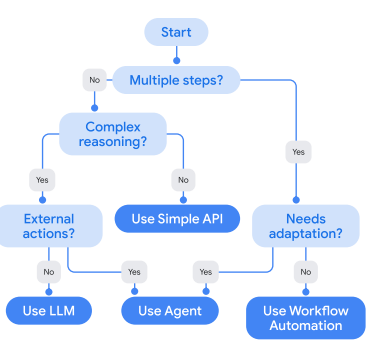
Do You Actually Need an Agent?
Agentic AI is definitely not for all use cases. If a task only requires a single step or simple data extraction, a standard LLM or basic API call is plenty.
You only truly need an agent when the solution requires complex reasoning, external actions (like pulling database info or hitting an API), and an adaptive approach where the AI has to pivot based on real-time feedback.
Hands-On with Google AI Studio
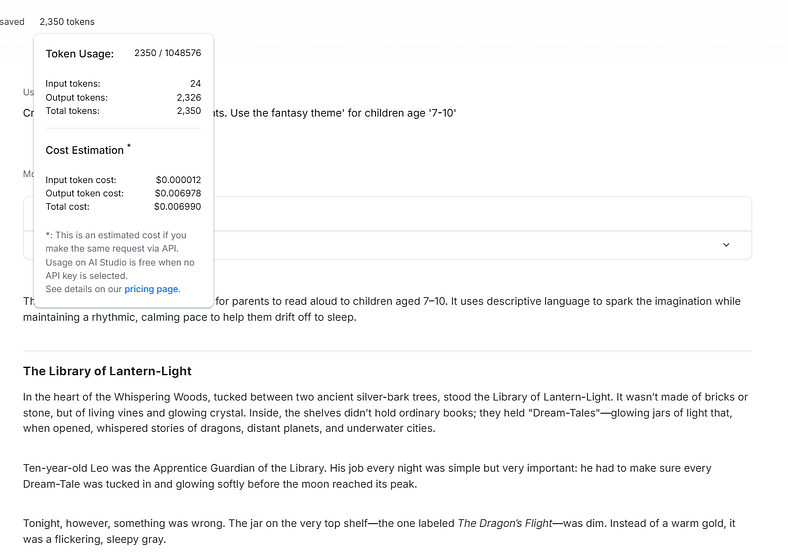
Here, we can test your AI ideas. We can add prompts, adjust the creativity level, resolution, content safety, and link directly to Google Search.
My favorite feature? The token estimation breakdown (on the playground page). It shows input and output tokens, allowing for cost optimization before deploy anything.
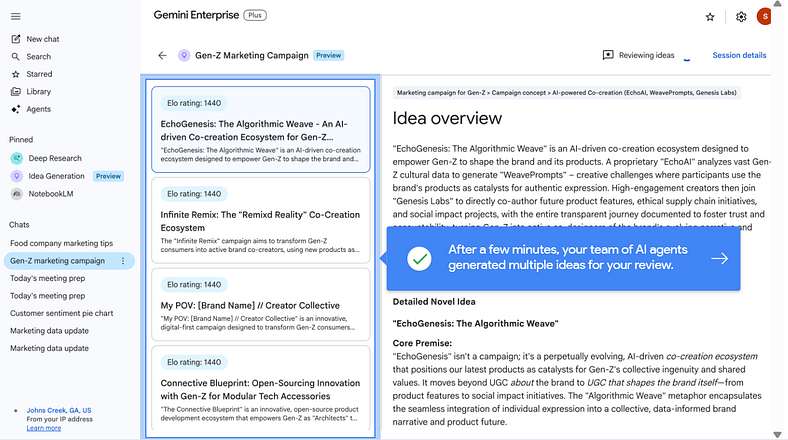
Enterprise Magic: Brainstorming and Seamless Connections
The enterprise capabilities really highlight where this technology is heading. Now, you can literally set up a session where several AI agents wear different “hats” to brainstorm, evaluate, and rank ideas.
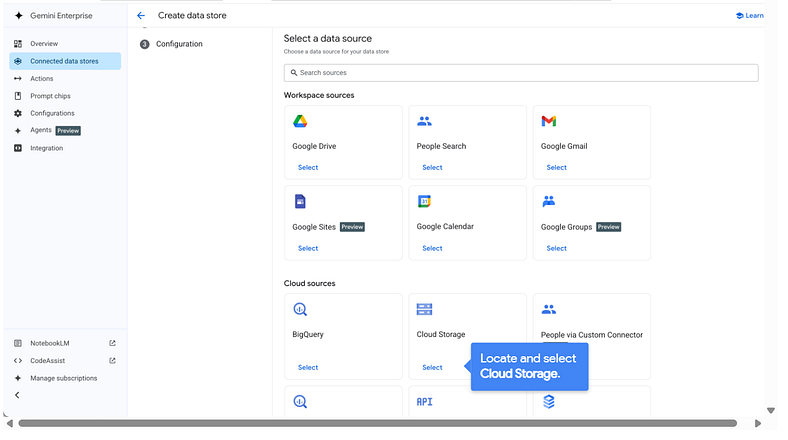
It is also surprisingly easy to link these agents to an existing ecosystem. Within minutes, you can hook them up to Google Calendar, internal databases, or cloud APIs.
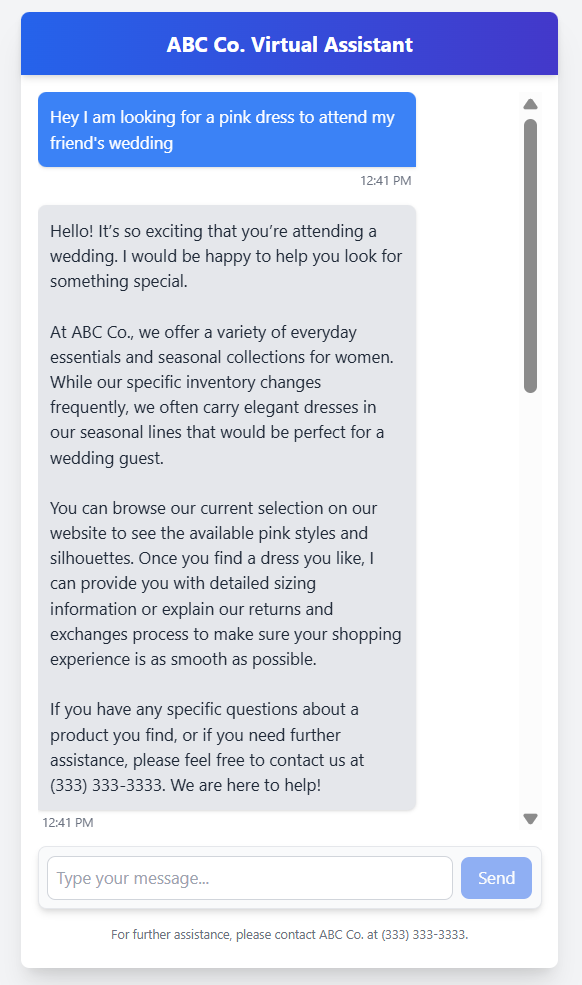
Contact Center as a Service
You can spin up an intelligent customer-facing bot within a few minutes because it links directly to your own FAQs and internal data, without relying on clunky, third-party SaaS platforms.
Wrapping Up
Ultimately, Agentic AI bridges the gap between cool tech and real business execution. In general strategy and operations, disjointed workflows constantly bottleneck growth. These agents change the game — allowing us to automate complex reasoning and scale efforts without a massive engineering team. Whether we are building a simple customer service bot or a multi-agent brainstorming session, the tools are finally here.




Leave a Comment